How to Plan a Budget for Kitchen Remodeling
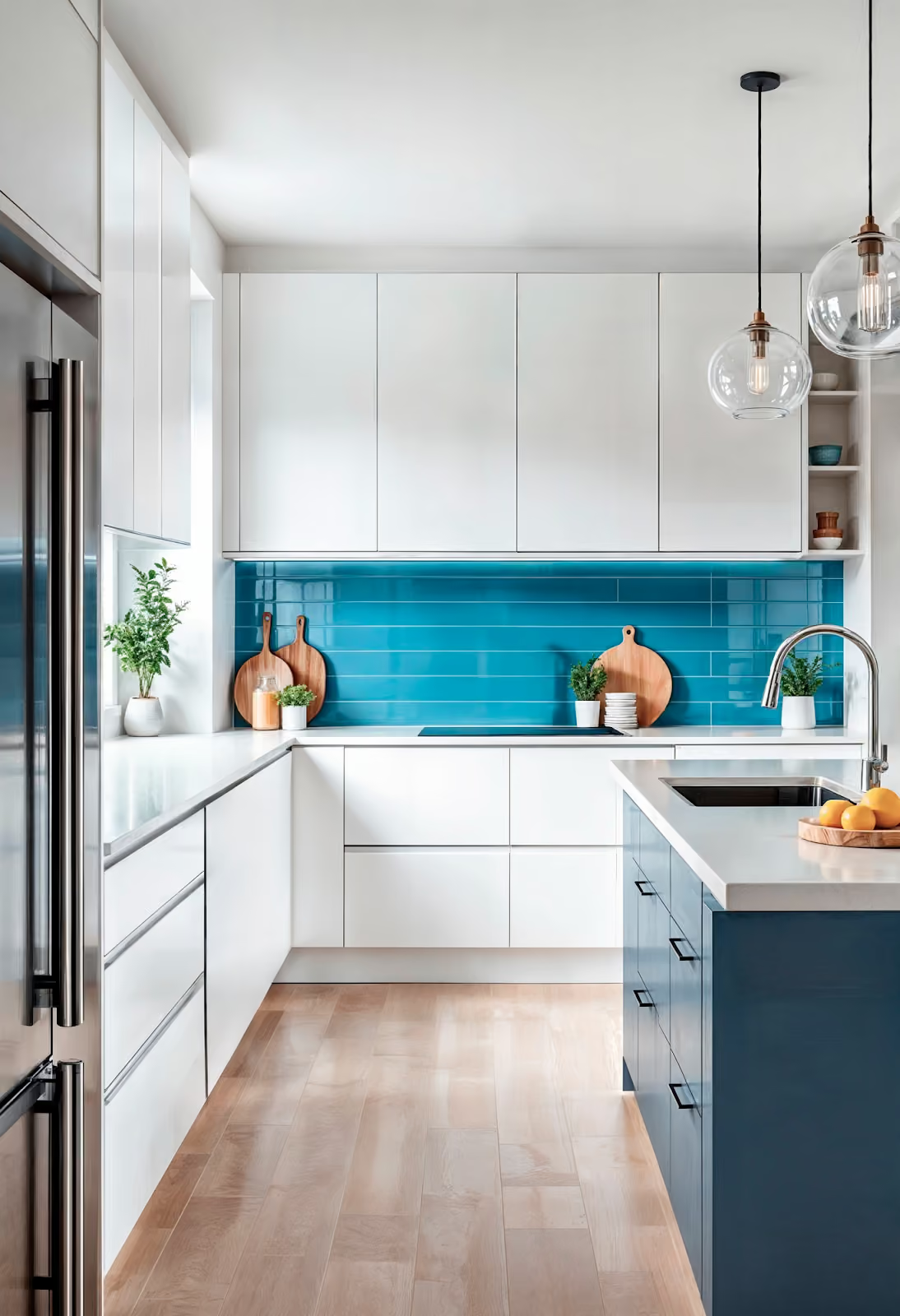
Kitchen remodeling is one of the most rewarding home improvement projects you can undertake. A well-designed kitchen improves daily functionality, enhances comfort, and can significantly increase your home’s value. However, without proper financial planning, remodeling costs can quickly exceed expectations. Creating a clear and realistic budget before construction begins helps homeowners stay in control and make confident decisions throughout the project.
This guide explains how to plan a practical kitchen remodeling budget, what expenses to expect, and how to prioritize spending so your investment delivers long-term value.
Why Budget Planning Is Essential for Kitchen Remodeling
Many homeowners begin remodeling with inspiration photos and design ideas but overlook detailed budgeting. Proper financial planning is what turns a vision into a successful project.
A well-planned budget helps you:
- Prevent overspending by setting clear financial limits
- Make informed design decisions early in the process
- Avoid project delays caused by unexpected costs
- Prioritize upgrades that deliver the most value
- Reduce stress during construction
Kitchen remodeling involves multiple components — cabinetry, appliances, electrical work, plumbing, finishes, and labor — all of which must work together within a structured financial plan. Establishing a budget early ensures smoother project execution from start to finish.
Understand the Average Kitchen Remodeling Costs
One of the first questions homeowners ask is: How much does kitchen remodeling cost? The answer varies depending on project scope, materials, and complexity.
Generally, kitchen remodeling projects fall into three categories:
Minor Kitchen Remodel
- Cosmetic upgrades
- Cabinet refacing or repainting
- New fixtures, lighting, or countertops
- Appliance updates without layout changes
Mid-Range Kitchen Remodel
- New cabinets and countertops
- Updated appliances
- Flooring replacement
- Improved lighting and storage solutions
High-End Kitchen Remodel
- Custom cabinetry
- Layout changes or wall removal
- Luxury materials and finishes
- High-end appliances
- Structural, plumbing, or electrical modifications
Factors That Influence Kitchen Remodeling Costs
Several variables directly affect your final budget:
- Size of the kitchen
- Quality of materials selected
- Structural or layout changes
- Labor complexity
- Electrical and plumbing upgrades
- Permit and inspection requirements
Understanding these factors helps homeowners set realistic expectations before requesting estimates.
Identify Your Remodeling Goals and Priorities
Before assigning numbers to your budget, clearly define what you want your new kitchen to achieve. Successful kitchen remodeling starts with understanding your lifestyle needs, not just visual preferences.
Ask yourself:
- Do you need more storage space?
- Is cooking efficiency a priority?
- Do you want an open-concept layout?
- Are you upgrading for resale value or long-term living?
- Which features will improve daily use the most?
A helpful strategy is separating items into two categories:
Must-Have Features
- Functional layout improvements
- Durable cabinetry
- Updated appliances
- Improved lighting
Nice-to-Have Upgrades
- Decorative finishes
- Premium hardware
- Specialty features or luxury add-ons
This prioritization ensures essential improvements stay protected if adjustments are needed later.
Create a Kitchen Remodeling Cost Breakdown
Understanding where your money goes is key to building a realistic remodeling budget. While every project differs, most kitchen remodeling budgets follow a similar distribution.
Typical Budget Allocation (Approximate)
Cabinetry (Largest Expense)
Cabinets often account for the biggest portion of the budget because they define both storage and overall design.
Labor and Installation
Professional installation includes demolition, construction, electrical, plumbing, and finishing work. Skilled labor ensures quality and safety.
Countertops
Material choice significantly affects pricing, ranging from laminate to quartz or natural stone.
Appliances
Energy-efficient appliances can improve functionality while reducing long-term utility costs.
Flooring
Durable flooring materials designed for heavy kitchen use are an important investment.
Lighting and Electrical
Modern kitchens require layered lighting, outlets, and updated electrical systems.
Plumbing Fixtures
Sinks, faucets, and water-related upgrades contribute to both functionality and aesthetics.
Using percentage-based planning instead of fixed numbers allows flexibility as material selections evolve.
Set Aside a Contingency Fund
Even well-planned kitchen remodeling projects can uncover hidden issues once demolition begins. Older homes, especially, may reveal problems not visible during initial inspections.
Common surprises include:
- Outdated wiring
- Plumbing repairs
- Structural adjustments
- Water damage behind walls
- Subfloor repairs
To prepare for these possibilities, homeowners should reserve a contingency fund of 10–20% of the total remodeling budget.
Having this financial buffer prevents project interruptions and eliminates stress when unexpected repairs arise.
Decide Where to Save and Where to Invest
Not every part of kitchen remodeling requires premium spending. Strategic budgeting means investing where it matters most while saving on elements that can be upgraded later.
Areas Worth Investing In
- Cabinet quality and durability
- Professional installation
- Functional layout improvements
- Long-lasting countertop materials
- Proper lighting design
These elements directly affect daily usability and long-term performance.
Areas Where You Can Save
- Decorative hardware
- Backsplash materials
- Paint finishes
- Trend-based design features
- Lighting fixtures that can be replaced later
Balancing investments and savings allows homeowners to achieve a high-quality kitchen without exceeding financial limits.
Get Accurate Estimates from Kitchen Remodeling Professionals
Once you have a preliminary budget and priorities defined, consulting a professional is the next essential step. Experienced kitchen remodeling professionals provide realistic cost projections based on layout, materials, and construction requirements.
A detailed estimate should include:
- Scope of work
- Material allowances
- Labor costs
- Timeline expectations
- Permit responsibilities
Comparing estimates helps homeowners understand pricing differences and evaluate contractor approaches rather than focusing only on total cost.
A professional consultation often reveals opportunities to improve design efficiency or reduce expenses without sacrificing quality.
How to Plan a Budget for Kitchen Remodeling
Kitchen remodeling is one of the most valuable upgrades you can make to your home. A well-planned kitchen improves daily functionality, increases comfort, and can significantly boost property value. However, without proper financial planning, costs can quickly grow beyond expectations. Creating a clear and realistic budget before starting your kitchen remodeling project helps you stay in control, avoid surprises, and make confident decisions throughout the renovation process.
This guide will help you understand how to build a practical kitchen remodeling budget, what expenses to expect, and how to prioritize spending so your investment delivers long-term results.
Why Budget Planning Is Essential for Kitchen Remodeling
Many homeowners focus first on design inspiration — cabinet styles, countertops, or appliances — but budgeting is what determines whether a remodeling project runs smoothly or becomes stressful.
Proper budget planning helps you:
- Avoid overspending by setting financial boundaries early
- Make smarter design choices aligned with your priorities
- Prevent construction delays caused by funding issues
- Manage expectations about materials and upgrades
- Reduce unexpected financial pressure
Kitchen remodeling involves multiple professionals and stages, including demolition, electrical work, plumbing, installation, and finishing. Without a structured budget, even small decisions can add up quickly. Planning ahead ensures every element of the project works within a realistic financial framework.
Understand the Average Kitchen Remodeling Costs
One of the most common questions homeowners ask is how much kitchen remodeling typically costs. The answer varies widely depending on the size of the kitchen, material selections, and whether structural changes are involved.
Most kitchen remodeling projects fall into three general categories:
Minor Kitchen Remodel
A minor remodel focuses mainly on cosmetic improvements without changing the layout. This may include:
- Cabinet repainting or refacing
- New countertops
- Updated fixtures and lighting
- Appliance replacement
- Fresh paint and minor upgrades
This type of remodel improves appearance while keeping labor costs lower.
Mid-Range Kitchen Remodel
A mid-range renovation involves more substantial upgrades and functional improvements, such as:
- New cabinetry
- Updated countertops
- Flooring replacement
- Modern lighting installation
- Improved storage solutions
- Appliance upgrades
This level of remodeling balances design improvements with long-term usability.
High-End Kitchen Remodel
High-end kitchen remodeling typically includes major customization and structural changes:
- Custom cabinets and premium materials
- Layout reconfiguration or wall removal
- Luxury appliances
- Advanced lighting systems
- Plumbing and electrical relocation
- High-quality finishes and design features
These projects require more planning and skilled labor, which increases overall costs.
Key Factors That Influence Kitchen Remodeling Costs
Several variables directly impact your final remodeling budget:
- Kitchen size — Larger spaces require more materials and labor.
- Layout changes — Moving plumbing, gas lines, or walls increases complexity.
- Material quality — Cabinetry, countertops, and finishes vary widely in price.
- Labor requirements — Skilled trades such as electricians and plumbers add to costs.
- Permits and inspections — Required for safety and code compliance.
- Appliance upgrades — High-performance appliances can significantly affect pricing.
Understanding these factors helps homeowners set realistic expectations before requesting contractor estimates.
Identify Your Remodeling Goals and Priorities
Before assigning numbers to your budget, clearly define what you want your new kitchen to accomplish. Successful kitchen remodeling begins with functionality, not just aesthetics.
Consider how you use your kitchen daily:
- Do you need better storage?
- Is cooking efficiency important?
- Do you entertain guests frequently?
- Do you want a more open layout?
- Are you remodeling for resale value or long-term comfort?
A helpful approach is dividing features into two categories:
Must-Have Features
These are essential upgrades that improve usability and long-term satisfaction, such as:
- Improved layout and workflow
- Durable cabinetry
- Adequate lighting
- Functional storage solutions
Nice-to-Have Upgrades
These enhance appearance but are not critical to functionality:
- Decorative accents
- Trend-based finishes
- Specialty features or luxury add-ons
Prioritizing needs versus wants ensures your budget focuses on improvements that deliver the greatest everyday benefit.
Create a Kitchen Remodeling Cost Breakdown
Understanding how remodeling costs are distributed helps homeowners allocate funds wisely. While every project differs, most kitchen remodeling budgets follow a similar structure.
Common Budget Categories
Cabinetry
Cabinets are often the largest expense because they influence both storage capacity and overall kitchen design.
Labor and Installation
Professional labor includes demolition, construction, installation, electrical updates, plumbing work, and finishing details. Skilled labor ensures safety and quality workmanship.
Countertops
Material selection plays a major role in pricing. Durable surfaces provide long-term performance and visual impact.
Appliances
Modern appliances improve efficiency and functionality, making them a key budgeting consideration.
Flooring
Kitchen flooring must withstand heavy foot traffic, spills, and daily wear.
Lighting and Electrical Work
Modern kitchens require layered lighting, outlets, and updated electrical systems to support appliances safely.
Plumbing Fixtures
Sinks, faucets, and plumbing upgrades contribute to both performance and aesthetics.
Using percentage-based planning rather than fixed numbers allows flexibility as material selections evolve during the design phase.
Set Aside a Contingency Fund
Even carefully planned kitchen remodeling projects can reveal hidden problems once work begins. Issues behind walls or under flooring are often impossible to detect beforehand.
Common unexpected discoveries include:
- Outdated wiring systems
- Plumbing repairs
- Water damage
- Structural adjustments
- Subfloor replacement
To prepare for these situations, experts recommend setting aside a contingency fund of 10–20% of your total remodeling budget.
This financial cushion allows the project to continue smoothly without forcing rushed decisions or compromising quality when surprises occur.
Decide Where to Save and Where to Invest
A smart kitchen remodeling budget is not about spending less — it’s about spending wisely. Some elements directly affect functionality and long-term durability, while others are easier and less expensive to upgrade later. Understanding this difference helps homeowners maximize value without exceeding their budget.
Areas Worth Investing In
Cabinet Quality and Construction
Cabinets experience daily wear and tear. Investing in durable materials and solid construction ensures longevity and better storage performance.
Professional Installation
Even high-quality materials can fail if installed improperly. Skilled installation prevents costly repairs and ensures everything functions safely.
Kitchen Layout and Workflow
Improving the kitchen’s layout has one of the biggest impacts on daily usability. Functional design decisions deliver long-term benefits.
Countertops
Durable surfaces such as quartz or stone resist damage and maintain appearance over time, making them a worthwhile investment.
Lighting Design
Proper lighting improves both functionality and ambiance. Layered lighting — task, ambient, and accent — enhances how the space is used.
Areas Where You Can Save
Decorative Hardware
Cabinet handles and knobs can be upgraded later without major expense.
Backsplash Materials
Stylish but cost-effective tile options can still achieve a high-end look.
Paint and Cosmetic Finishes
These are easier to change in the future compared to structural elements.
Trend-Based Features
Avoid overspending on short-term design trends that may feel outdated in a few years.
Balancing investments and savings helps maintain budget control while still achieving a beautiful and functional kitchen.
Get Accurate Estimates from Kitchen Remodeling Professionals
Once you’ve outlined your goals and preliminary budget, consulting experienced professionals is the next critical step. A qualified kitchen remodeling contractor can identify cost factors homeowners often overlook and provide realistic pricing based on construction requirements.
A detailed estimate should include:
- Scope of work
- Labor costs
- Material allowances
- Project timeline
- Permit and inspection responsibilities
- Payment structure
When comparing estimates, avoid focusing only on the final number. Instead, evaluate:
- Level of detail provided
- Quality of materials proposed
- Communication clarity
- Project management approach
A slightly higher estimate from an experienced professional often results in fewer delays and unexpected costs later.
Avoid Common Kitchen Remodeling Budget Mistakes
Many budget overruns happen due to avoidable planning errors. Being aware of common mistakes helps homeowners stay financially prepared.
Frequent Budgeting Mistakes
Underestimating Labor Costs
Labor involves multiple skilled trades, and quality workmanship requires proper investment.
Changing Plans Mid-Project
Design changes during construction often lead to additional labor and material expenses.
Choosing the Lowest Bid Only
Low estimates may exclude essential work or use lower-quality materials.
Ignoring Permit Costs
Permits and inspections are necessary for safety and legal compliance.
Forgetting Temporary Living Adjustments
During major remodeling, homeowners may need alternative cooking arrangements or temporary adjustments to daily routines.
Planning carefully at the beginning helps prevent these issues from disrupting your project.
Financing Options for Kitchen Remodeling
Not every homeowner funds kitchen remodeling entirely with savings. Several financing options can help manage costs responsibly depending on your situation.
Common approaches include:
Savings or Cash Payments
Avoids interest costs and provides full financial control.
Home Equity Loans or Lines of Credit
Often used for major renovations because they typically offer lower interest rates compared to unsecured loans.
Remodeling Financing Programs
Some contractors or lenders offer structured payment plans designed specifically for home improvement projects.
Phased Remodeling
Completing upgrades in stages allows homeowners to spread costs over time while still improving the kitchen gradually.
Before choosing financing, homeowners should evaluate long-term affordability and consult financial professionals if needed.
Final Budget Planning Checklist
Before starting your kitchen remodeling project, review this checklist to ensure you are fully prepared:
- Defined remodeling goals and priorities
- Established realistic budget range
- Created cost breakdown by category
- Reserved a 10–20% contingency fund
- Compared multiple professional estimates
- Reviewed contract details carefully
- Planned for permits and timelines
- Balanced investments with cost-saving choices
Following these steps helps create a smoother remodeling experience and reduces financial surprises.
Frequently Asked Questions (FAQs)
How much should I budget for kitchen remodeling?
Budgets vary depending on kitchen size, materials, and project complexity. Minor upgrades cost significantly less than full layout renovations. A professional estimate provides the most accurate pricing for your specific goals.
What is the most expensive part of kitchen remodeling?
Cabinetry and labor are typically the largest expenses because they involve both materials and skilled installation.
Should I remodel my kitchen all at once or in phases?
If budget limitations exist, phased remodeling can work well. However, completing the project at once may reduce overall labor costs and minimize disruption.
How can I reduce kitchen remodeling costs without sacrificing quality?
Focus spending on durable elements like cabinets and layout improvements while saving on decorative features that can be upgraded later.
Why is a contingency fund important?
Unexpected issues such as plumbing or electrical repairs are common during remodeling. A contingency fund prevents delays and financial stress when surprises arise.
When should I contact a kitchen remodeling professional?
Ideally, homeowners should consult a professional early in the planning stage. Expert guidance helps refine budgets, avoid costly design mistakes, and create realistic timelines.
Ready to Plan Your Kitchen Remodeling Project?
A successful kitchen renovation starts with thoughtful budgeting and expert guidance. When you understand costs, set clear priorities, and work with experienced professionals, kitchen remodeling becomes a smooth and rewarding investment rather than an overwhelming process.
If you’re planning to upgrade your kitchen, consulting with a trusted kitchen remodeling expert can help you create a realistic budget, explore smart design options, and move forward with confidence. Request a detailed estimate today and take the first step toward building a kitchen that fits your lifestyle, needs, and long-term vision.