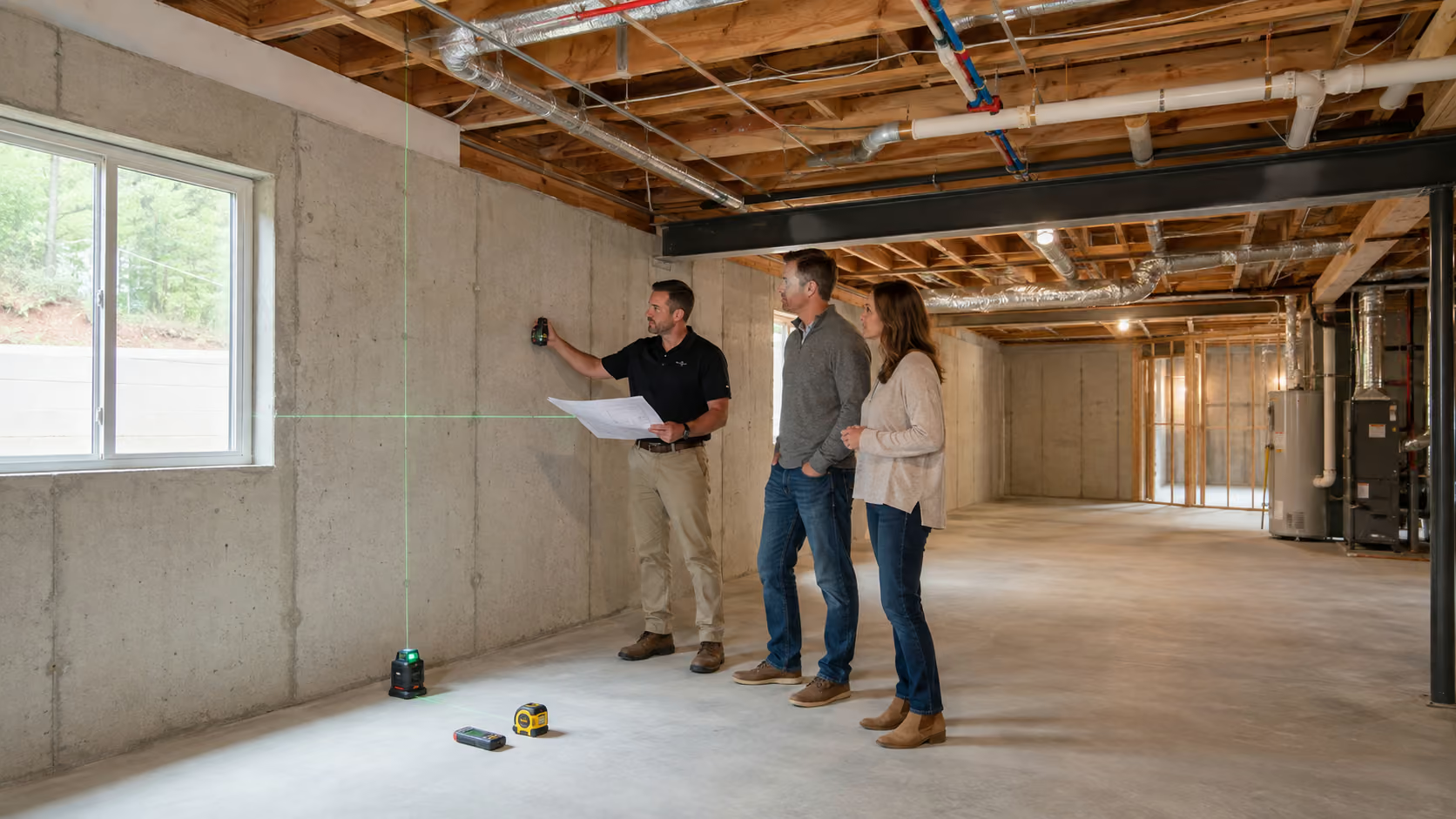
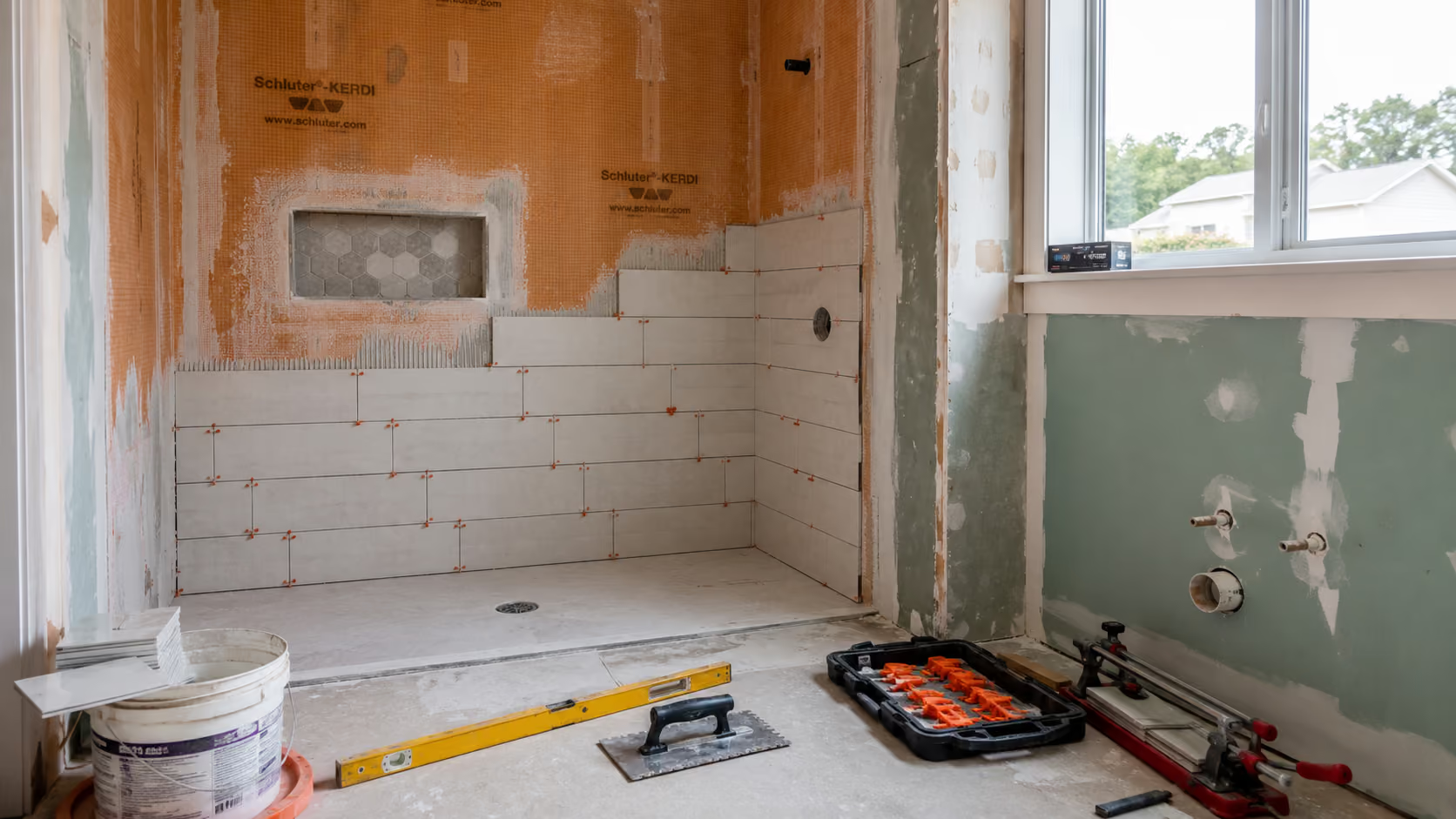
How to Choose a Home Remodeling Contractor in Cary and Raleigh: What to Look For in 2026
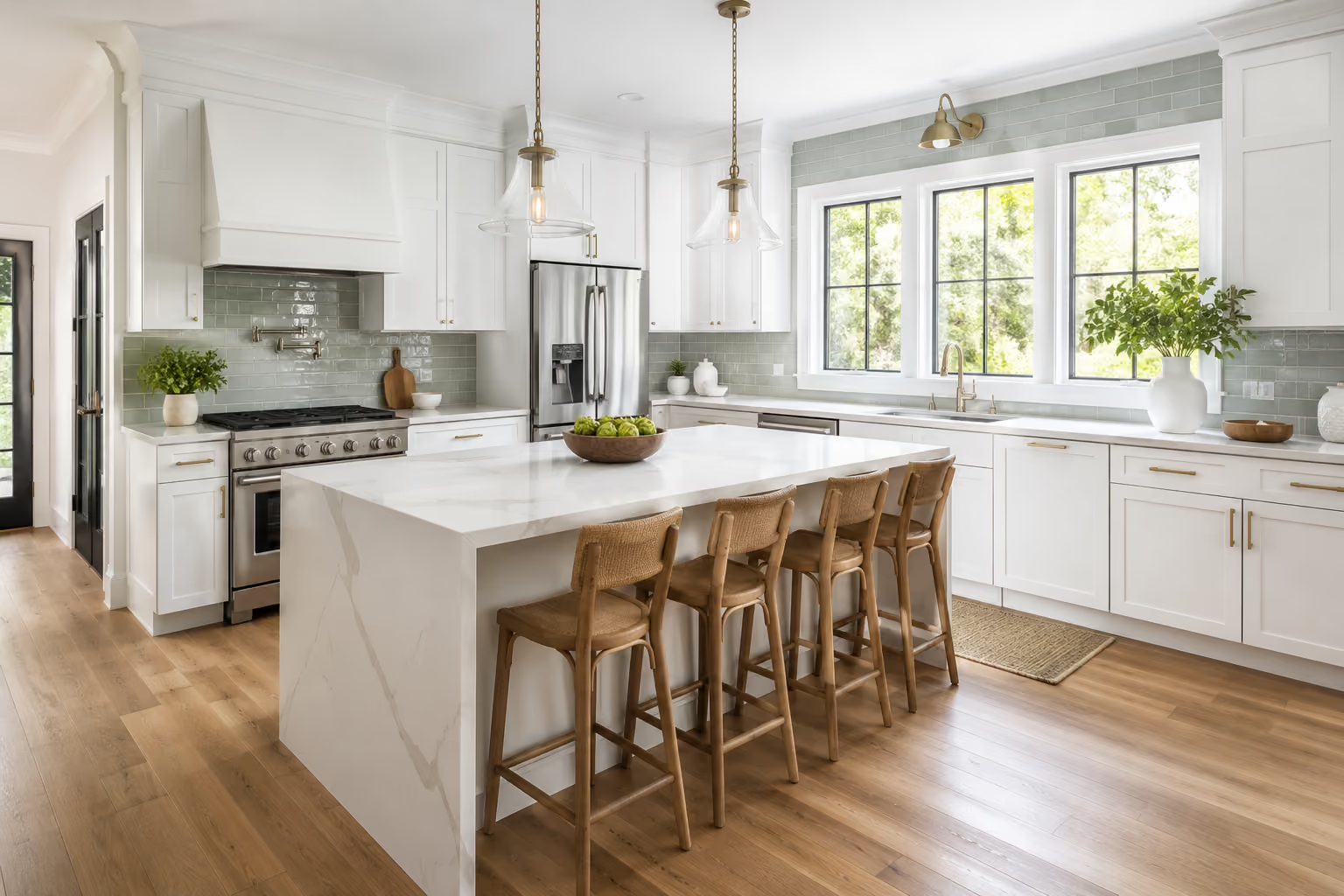
When hiring a home remodeling contractor in the Cary or Raleigh area, start by verifying their active NC general contractor license, proof of general liability insurance, and at least three local references from homeowners in Wake County. A trustworthy contractor will pull all required permits through Wake County, provide a detailed written estimate before work begins, and give you a clear project timeline in writing.
Choosing the wrong remodeling contractor is one of the most expensive mistakes a homeowner can make. In 20 years of working in the Triangle area, we have seen the aftermath: half-finished kitchens, missing permits that surface at resale, and homeowners out tens of thousands of dollars with nothing usable to show for it. This guide exists because you deserve better than that.
Whether you are planning a kitchen remodel in Cary, a bathroom renovation in Apex, or a home addition in Raleigh, these are the questions that matter before you sign anything.
Step 1: Verify Their NC Contractor License
In North Carolina, any remodeling project with a total cost of $30,000 or more requires a licensed general contractor. Even below that threshold, licensing is a meaningful signal of professionalism and accountability.
You can verify any contractor's license status at nclbgc.org, the website for the North Carolina Licensing Board for General Contractors. Search the contractor's name or business name and confirm that:
- The license is active, not expired or suspended
- The license classification covers the type of work you need
- The business name on the license matches the name on your contract
A legitimate contractor will share their license number without hesitation. If they cannot or will not, that is your first red flag.
Step 2: Confirm Insurance Before the First Tool Comes Out
Ask for a Certificate of Insurance before signing any contract. What you need to see:
- General liability insurance: covers property damage or injury that occurs during the project
- Workers compensation: covers their crew if someone is injured on your property
Some homeowners skip this step and assume their homeowner's policy will cover anything that goes wrong. It often will not. If an uninsured worker is injured on your property, you could be held liable. Verify coverage before work begins, not after.
Step 3: Ask for Local References, Not Just Online Reviews
Online reviews matter, but they can be curated. What you want are direct conversations with homeowners who have used this contractor for a similar project in a similar neighborhood. Ask for at least three references and actually call them.
Questions worth asking:
- Did the project finish on time and on budget?
- Were there any problems, and if so, how did the contractor handle them?
- Would you hire them again?
- Was the worksite kept clean and safe during the project?
Local references also tell you something online reviews cannot: how the contractor handles Wake County permits, local building codes, and the specific material suppliers they use in this market.
Step 4: Understand What a Good Estimate Actually Includes
Comparing bids is harder than it looks because two estimates for the same kitchen remodel can be thousands of dollars apart based on what is or is not included. Before comparing numbers, make sure every estimate covers:
- A detailed scope of work with specific tasks listed
- Material specifications by brand, grade, or model number where applicable
- A payment schedule tied to project milestones, not a large upfront deposit
- A start date and projected completion date
- Permit costs and who is responsible for pulling them
- How change orders will be handled
A vague estimate is not a bargain. It is an invitation for disputes and surprise charges later. If a contractor cannot give you specifics in writing, move on.
Step 5: Ask Who Pulls Permits in Wake County
Unpermitted work is a serious problem that surfaces at the worst possible time: when you try to sell your home. If a previous contractor did electrical, plumbing, or structural work without a permit, your real estate transaction can be delayed or derailed entirely.
In Wake County, permits are required for:
- Electrical work beyond simple fixture swaps
- Plumbing changes including new lines or relocated drain and supply
- Structural changes such as removing walls or adding square footage
A reputable contractor handles permit applications as a standard part of the job. They will not ask you to pull your own permits or suggest skipping them to save money.
Red Flags to Watch For When Hiring a Remodeler in the Triangle
These are patterns worth taking seriously:
- Demands for a large cash deposit upfront (above 30% before any work begins)
- Cannot provide a written estimate or contract before work starts
- No verifiable local references
- Pressures you to sign quickly or claims the price is only good for 24 hours
- Suggests pulling permits yourself or skipping them entirely
- Has no physical business address in the Triangle area
- Communicates only by text and cannot schedule a in-person consultation
Trust your instincts. A good contractor wants informed homeowners because informed homeowners make better clients.
What to Expect When You Work With Sanderson Construction
We built this guide because we have watched what happens when homeowners do not ask these questions. For over 20 years, Sanderson Construction has served Cary, Apex, Holly Springs, and Raleigh with kitchen and bathroom remodels that are permitted, documented, and backed by a 2-year workmanship warranty. We are fully licensed in North Carolina, carry general liability insurance on every job, and assign a dedicated project manager to every project.
When you request a free estimate from us, you will get a detailed written scope, a clear timeline, and straight answers. No pressure, no vague numbers.
Frequently Asked Questions
Q: How do I check if a remodeling contractor is licensed in NC?
A: Visit nclbgc.org, the North Carolina Licensing Board for General Contractors, and search by company or individual name. Confirm the license is active and covers the project type you need.
Q: How much should I put down as a deposit for a remodeling project in Cary?
A: A standard deposit for a home remodeling project in North Carolina is typically 10 to 30 percent, paid at contract signing. Payments should be tied to project milestones, not a large sum paid before any work begins. Be cautious of any contractor requesting more than 30 percent upfront.
Q: Do I need a permit for a bathroom or kitchen remodel in Raleigh?
A: Cosmetic updates like new countertops, paint, or cabinet refacing typically do not require a permit. However, any changes to electrical, plumbing, or structure require permits through Wake County. A licensed contractor will handle all permit applications.
Q: What is the best way to compare remodeling bids in the Triangle area?
A: Make sure all bids cover the same scope, materials, and timeline before comparing prices. A lower bid that omits permit costs or uses unspecified materials is not a better deal. Ask each contractor to itemize their estimate so you are comparing apples to apples.
AUTHOR BIO | About Sam SandersonSam Sanderson is a licensed general contractor in North Carolina with over 20 years of experience delivering kitchen and bathroom remodels for Triangle-area homeowners. Based in Holly Springs, Sam founded Sanderson Construction to give Wake County homeowners access to the kind of craftsmanship and transparency that larger franchise operations rarely deliver.